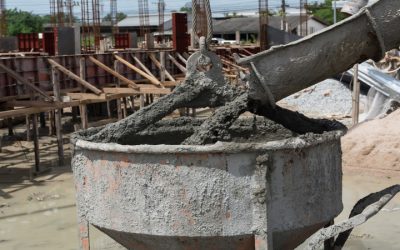
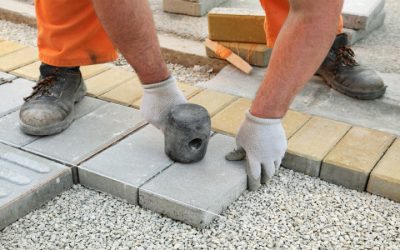
For large-scale construction projects, prioritizing on-site safety is essential to ensure successful outcomes. Advanced concrete pumping services have transformed how infrastructure projects are completed, especially in regions with complex building demands. Many professionals searching for Infrastructure Concrete Pumping Lafayette LA want solutions that improve efficiency while delivering significant safety benefits for workers and the surrounding environment. By choosing Infrastructure Concrete Pumping Lafayette LA, contractors and project managers can access innovative methods that elevate both the quality and safety standards of their construction sites.
Enhanced Worker Safety Through Reduced Manual Labor
One of the most notable safety benefits of infrastructure concrete pumping is the substantial reduction in the need for manual concrete handling. Traditionally, transporting concrete required significant physical effort, often involving wheelbarrows, buckets, and manual pouring. This manual process exposes workers to potential injuries, such as muscle strains, slips, and falls.
Concrete pumping technology, however, streamlines the delivery process by using specialized equipment to transport concrete directly to the desired location. This reduces the number of workers required in high-risk zones and minimizes the likelihood of accidents related to lifting, carrying, or maneuvering heavy materials. As a result, job sites experience fewer incidents of worker fatigue and musculoskeletal injuries, leading to a safer, healthier workforce.
Improved Site Organization and Reduced Hazards
Efficient site organization is crucial for minimizing hazards and maintaining a safe work environment. Infrastructure concrete pumping allows precise concrete placement, eliminating cluttered pathways and reducing congestion from manual transport equipment.
Key organizational benefits include:
- Clearer Workspaces: With concrete delivered directly to the pour site, access routes remain unobstructed, reducing the risk of trips and falls.
- Fewer Obstructions: Equipment and materials are less likely to block emergency exits or evacuation routes.
- Enhanced Communication: Fewer workers moving around with equipment improves visibility and allows for better communication among team members.
By maintaining a well-organized site, project managers can mitigate common construction hazards and ensure compliance with stringent safety regulations.
Minimization of Environmental Risks
Safety on a construction site extends beyond worker protection; it also encompasses the surrounding environment. Infrastructure concrete pumping helps reduce environmental risks in several ways:
- Controlled Concrete Placement: Pumping equipment enables accurate delivery, minimizing spills and splashes that can create slippery surfaces or contaminate nearby areas.
- Dust and Debris Reduction: Automated pumping generates less dust and airborne debris compared to manual handling, supporting better air quality for workers and the community.
- Noise Reduction: Modern concrete pumps operate more quietly than traditional mixing and transport methods, reducing noise pollution and creating a safer, less stressful environment for all.
These measures not only protect workers but also demonstrate a commitment to environmental stewardship, which is increasingly important in today’s construction industry.
Better Access to Difficult Locations
Many infrastructure projects involve complex or challenging sites, such as elevated structures, confined spaces, or areas with limited accessibility. Concrete pumping technology enables safe and efficient concrete placement in these hard-to-reach locations without exposing workers to unnecessary risks.
Advantages include:
- Remote Placement: Pumps can transport concrete horizontally and vertically over considerable distances, reducing the need for scaffolding or temporary walkways.
- Reduced Fall Hazards: By eliminating the need for workers to carry materials to elevated areas, the risk of falls from heights decreases significantly.
- Enhanced Stability: Pumping ensures concrete is delivered steadily and uniformly, reducing the chance of structural instability during curing.
By leveraging these capabilities, contractors can maintain high safety standards even on the most demanding job sites.
Fewer On-Site Accidents and Liability Issues
Infrastructure concrete pumping not only protects workers but also helps construction firms avoid costly accidents and liability concerns. With fewer manual tasks, the risk of incidents that can lead to injury claims or project delays decreases. Additionally, the precision and efficiency of concrete pumps help shorten project timelines, minimizing the time workers are exposed to hazards.
Compliance With Safety Standards
All construction projects must adhere to occupational safety and health regulations. Concrete pumping services are designed to meet or exceed these standards, incorporating features such as emergency shut-off controls, stable platforms, and regular equipment inspections. By integrating these safety measures, contractors can demonstrate their commitment to regulatory compliance and foster a culture of safety throughout the project lifecycle.
The safety benefits of infrastructure concrete pumping go far beyond convenience. With reduced manual labor, improved site organization, minimized environmental risks, and enhanced access to challenging locations, these services have become an essential component of modern construction. For dependable and professional support in the region, Louisiana Concrete Pumpers stands out as a reliable solution for all infrastructure concrete pumping needs in Lafayette, LA.