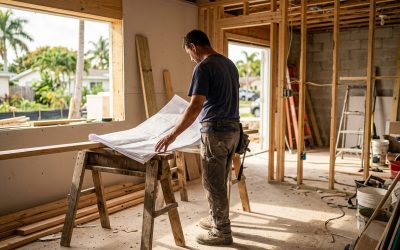
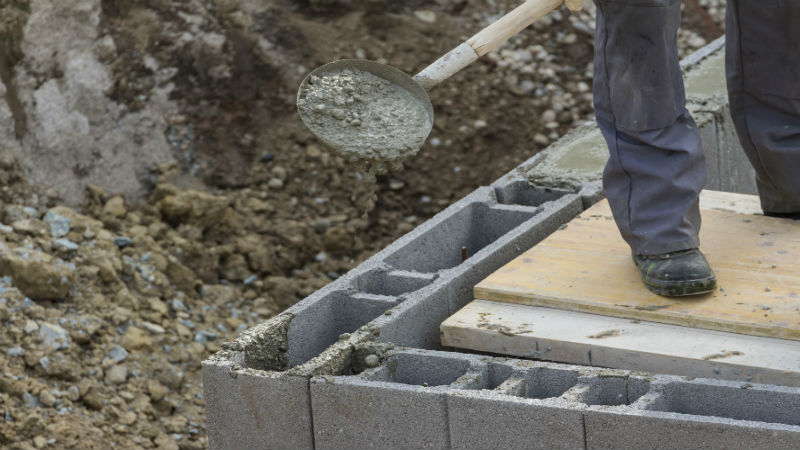
Construction projects become harder to manage when every phase is treated as an isolated task. Site preparation, grading, excavation, concrete, drainage, and other work can affect one another, so coordination matters. For property owners researching a general contractor in Cape Coral, FL, the value of a general contractor often comes from organizing multiple moving parts around the project’s overall objective.
A coordinated approach starts with scope. The owner should know what the project is intended to accomplish, what existing conditions may need to change, and which trades or site services are involved. Defining the scope early makes it easier to identify dependencies and avoid scheduling one phase before another phase is ready.
Site preparation is a good example. Grading and excavation can establish elevations that later affect concrete or drainage. If those steps are performed without reference to the final design, adjustments may be needed later. Coordination gives each phase a chance to work from the same project information.
Communication is equally important during construction. Conditions can change after work begins, especially when existing properties contain unexpected soil, drainage, or access constraints. A clear process for discussing changes helps the owner understand what has changed and what effect it may have on the next stage.
Schedule management also matters. Materials, equipment, crews, inspections, and site access need to line up. A delay in one area can create a chain reaction elsewhere. While no contractor can control every outside factor, organized sequencing can reduce avoidable downtime.
Universal Trax of South Florida can be considered by Cape Coral property owners who want to discuss projects that involve multiple site and construction components. The right approach depends on project scope, but the central idea is simple: plan the work as a connected sequence. When each phase supports the next, the project is easier to understand and manage.
Frequently Asked Questions
Q: What does a general contractor coordinate?
A: Depending on the project, a general contractor may coordinate trades, scheduling, site work, materials, communication, and construction sequencing.
Q: Why is construction sequencing important?
A: Many project phases depend on earlier work being completed correctly, so sequencing helps prevent conflicts and avoidable rework.
Q: What should an owner clarify before construction starts?
A: Clarify the project scope, responsibilities, schedule expectations, site constraints, and how changes will be communicated.